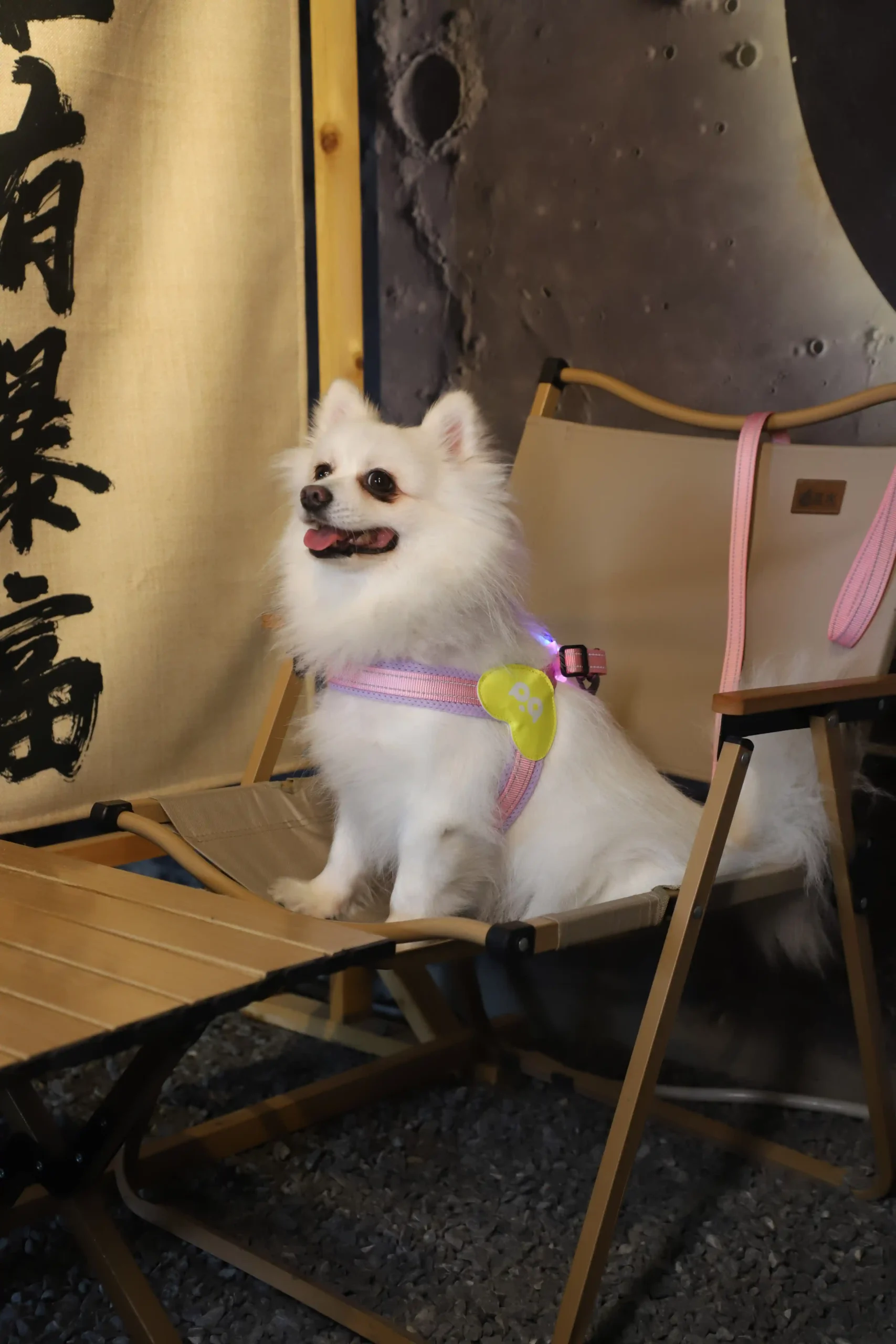
In today’s competitive pet accessory market, the difference between a successful product line and one that struggles often comes down to one critical decision: your choice of manufacturer. For brands and retailers offering dog harnesses, this decision carries particular weight. Dog harnesses are not simply fashion accessories—they’re safety devices that pet parents trust to protect their beloved companions during daily activities.
As consumer expectations rise and market competition intensifies, partnering with a professional custom dog harness manufacturer has evolved from a competitive advantage to a business necessity. This comprehensive analysis explores ten specific quality and design advantages that only professional manufacturers can deliver, providing clarity on why this partnership decision significantly impacts your bottom line, brand reputation, and customer satisfaction.
-
Material Expertise and Selection: Beyond Basic Fabrics
Perhaps the most immediate advantage of working with professional manufacturers is their material knowledge—expertise that extends far beyond simply selecting from available fabrics.
Depth of Material Knowledge
Professional manufacturers maintain comprehensive understanding of:
-
Performance characteristics of dozens of specialized webbing types
-
Durability profiles across different usage environments
-
Wash-resistance factors that predict appearance after multiple cleaning cycles
-
Weather and UV impact on different material compositions
-
Stretch and recovery properties critical for safety and comfort
Material Innovation Access
Established manufacturers maintain relationships with material suppliers that provide access to:
-
Newly developed technical fabrics before general market availability
-
Custom-developed materials created specifically for harness applications
-
Specialized performance treatments that enhance durability or functionality
-
Eco-friendly and sustainable material options with proven performance records
“Material selection is where many harness designs succeed or fail,” explains Kyra from qqpets, a specialized dog harness manufacturer. “We maintain a materials library of over 200 webbing, mesh, and padding options, each with documented performance characteristics in specific applications. This allows us to recommend ideal materials for each client’s unique requirements rather than simply working with whatever generic options happen to be available.”
Testing Capabilities
Professional manufacturers employ systematic material testing that protects your brand:
-
Tensile strength verification under both dry and wet conditions
-
Abrasion resistance measurement using standardized protocols
-
Color-fastness testing through accelerated wear methods
-
UV degradation assessment for outdoor performance
-
Chemical resistance evaluation for exposure to common substances
-
Structural Design Knowledge: Engineering for Performance and Safety
Dog harnesses must balance complex and sometimes competing requirements—comfort, security, control, and durability. Professional manufacturers bring engineering-level understanding to these challenges.
Force Distribution Expertise
Quality harness design requires sophisticated understanding of:
-
Pressure point mapping across different dog anatomies
-
Movement restriction consequences during various activities
-
Load distribution principles that enhance comfort and safety
-
Stress point identification for strategic reinforcement
-
Ergonomic considerations specific to different breeds and activities
Safety-Critical Design Elements
Professional manufacturers incorporate safety features that come from deep product knowledge:
-
Strategic reinforcement at high-stress connection points
-
Secondary security features that prevent complete failure
-
Appropriate stitching patterns for different load types
-
Hardware selection based on actual force requirements
-
Controlled elongation characteristics that prevent harmful snap-back
Activity-Specific Design Adaptation
Experienced manufacturers understand how to adapt designs for different uses:
-
Running and high-activity modifications that prevent chafing
-
Car safety considerations for crash-worthiness
-
Training-specific features that enhance handler control
-
Service dog requirements that accommodate specific tasks
-
Special needs adaptations for dogs with mobility or health issues
-
Technical Pattern Mastery: Precision That Drives Performance
The difference between average and exceptional harnesses often comes down to pattern engineering—an area where professional manufacturers excel through years of specialized experience.
Anatomically-Correct Patterning
Professional patterns incorporate sophisticated design elements:
-
Curvature mapping that follows natural body contours
-
Strategic seam placement that avoids pressure points
-
Differential sizing adaptation across breed variations
-
Movement accommodation that prevents restriction
-
Weight distribution optimization for comfort during extended wear
Precision Grading Systems
Size consistency across product lines requires sophisticated grading systems:
-
Mathematical scaling algorithms that maintain proportional relationships
-
Strategic measurement points that capture breed variations
-
Consistent sizing standards that reduce consumer confusion
-
Fit testing protocols across multiple dog types
-
Documented size specifications for each product variation
Pattern Efficiency Engineering
Professional pattern development also optimizes manufacturing considerations:
-
Material utilization that reduces waste
-
Construction sequencing that enhances production efficiency
-
Strategic component placement that streamlines assembly
-
Standardized allowances that ensure consistent quality
-
Notching and marking systems that prevent assembly errors
“Pattern development is both art and science,” notes Kyra from qqpets. “Our pattern library has evolved through producing millions of harnesses across thousands of variations. This experience allows us to anticipate fit issues and solve design challenges before they reach production—something impossible without this depth of specialized experience.”
-
Quality Control Systems: Protecting Your Brand Reputation
The difference between occasional quality and consistent excellence lies in systematic quality management—a core advantage of professional manufacturers.
Multi-Stage Quality Verification
Professional quality systems incorporate verification throughout production:
-
Raw material inspection before cutting begins
-
Component testing prior to assembly
-
In-process inspection at critical construction stages
-
Finished product verification using standardized protocols
-
Batch sampling for statistical quality assurance
Documented Quality Standards
Professional manufacturers maintain explicit quality documentation:
-
Detailed construction specifications for each product
-
Acceptable tolerance ranges for critical measurements
-
Visual standards with photographic references
-
Specific testing requirements with pass/fail criteria
-
Process control parameters for each production step
Continuous Improvement Mechanisms
Established quality systems include processes for ongoing advancement:
-
Defect tracking and root cause analysis
-
Statistical process control to identify variation sources
-
Feedback loops that incorporate customer experience
-
Regular quality review meetings with production teams
-
Preventive action systems that address potential issues
-
Customization Capabilities: Creating Genuine Brand Differentiation
In a crowded marketplace, product differentiation is essential. Professional manufacturers offer customization options that create truly distinctive products.
Brand-Specific Design Development
Beyond basic logo application, true customization includes:
-
Proprietary feature development exclusive to your brand
-
Custom hardware design that enhances brand identity
-
Signature construction details that distinguish your products
-
Unique material combinations not available to competitors
-
Exclusive colorway development that defines brand aesthetic
Technical Customization
Professional manufacturers offer functional customization that enhances performance:
-
Activity-specific feature adaptation
-
Target breed modifications that improve fit
-
Size range expansion for specialized markets
-
Functional enhancement for specific use cases
-
Performance optimization based on customer feedback
Aesthetic Customization Sophistication
Visual differentiation options extend far beyond basic colors:
-
Custom webbing development with woven-in patterns
-
Specialized printing techniques for unique visual effects
-
Mixed-media approaches combining multiple materials
-
Proprietary hardware finishes exclusive to your brand
-
Signature stitching patterns as visual brand identifiers
“Customization should extend far beyond simply adding a logo to a standard product,” explains Kyra. “At qqpets, we approach each custom project as an opportunity to create something truly distinctive. Whether that’s developing proprietary hardware, creating exclusive patterns, or engineering unique functional features, our goal is helping brands establish genuine product differentiation that resonates with their specific customer base.”
-
Consistent Production Standards: Reliability at Scale
The ability to maintain consistent quality across large production runs represents a significant advantage of professional manufacturers.
Standardized Production Processes
Process consistency drives product consistency through:
-
Documented work instructions for each production step
-
Standardized fixtures and guides that ensure precision
-
Operator certification requirements for quality-critical operations
-
Process validation protocols before production begins
-
Statistical process control during ongoing manufacturing
Production Environment Controls
Professional facilities maintain controlled conditions that support consistency:
-
Proper lighting for accurate visual inspection
-
Environmental controls that maintain material stability
-
Organized workflow that prevents mixing or contamination
-
Proper equipment maintenance that ensures consistent operation
-
Material handling systems that prevent damage or distortion
Volume Scaling Without Quality Compromise
Professional manufacturers maintain quality regardless of quantity:
-
Consistent standards from samples through mass production
-
Documented procedures that don’t depend on individual knowledge
-
Systematic training that ensures operator interchangeability
-
Capacity planning that prevents quality-compromising rushes
-
Batch tracking systems that isolate and resolve any issues
-
Innovative Features Development: Advancing Your Product Line
The ability to develop and implement innovative features represents a significant competitive advantage provided by professional manufacturers.
Research and Development Resources
Established manufacturers maintain R&D capabilities:
-
Material testing facilities for evaluating new options
-
Prototype development workshops for concept validation
-
Computer-aided design systems for technical development
-
3D modeling capabilities for visualization and assessment
-
Performance testing equipment for functional validation
Cross-Industry Knowledge Transfer
Professional manufacturers apply innovations across categories:
-
Adapting technical developments from related industries
-
Applying new materials in novel applications
-
Implementing advanced production techniques from other sectors
-
Incorporating ergonomic advances from broader fields
-
Utilizing new adhesives, bonding, and joining methods
Collaborative Innovation Process
Professional manufacturers offer partnership in innovation:
-
Formal design review processes that refine concepts
-
Technical feasibility assessment that validates ideas
-
Cost-impact analysis for new feature implementation
-
Performance testing of innovative elements
-
Iterative development cycles that perfect new features
“Innovation doesn’t happen in isolation,” notes Kyra from qqpets. “Our most successful product developments come from collaborative partnerships where our technical expertise combines with our clients’ market insights. This collaboration has produced features like our patented anti-escape chest panel and our quick-dry padding system—innovations that solved specific market needs through technical development.”
-
Specialized Equipment and Techniques: Technical Capabilities that Matter
The specialized equipment and proprietary techniques used by professional manufacturers create quality differences that consumers notice and value.
Advanced Production Equipment
Professional facilities invest in specialized machinery:
-
Computer-controlled cutting systems for precision and consistency
-
Specialized sewing equipment for technical materials
-
Sonic welding technology for specific applications
-
Heat-setting equipment for dimensional stability
-
Computer-controlled stitching for complex patterns
Proprietary Production Techniques
Years of specialization develop unique manufacturing approaches:
-
Custom jig and fixture development for consistent assembly
-
Specialized binding and edge-finishing methods
-
Proprietary reinforcement techniques at stress points
-
Custom material preparation processes for enhanced performance
-
Specialized testing methodologies for quality verification
Technical Problem-Solving Capabilities
Professional manufacturers offer solutions to complex challenges:
-
Material compatibility assessment for innovative combinations
-
Performance enhancement through construction modifications
-
Durability improvement through strategic reinforcement
-
Cost optimization without quality compromise
-
Production efficiency enhancement through process innovation
-
Compliance and Safety Standards: Protection for Your Brand and Customers
Professional manufacturers maintain comprehensive understanding of relevant standards and regulations—protecting both your business and the pets who use your products.
Regulatory Knowledge
Established manufacturers maintain current compliance information:
-
Pet product safety regulations across different markets
-
Chemical and material restriction knowledge for global compliance
-
Testing requirements for different regions and standards
-
Documentation requirements for import and distribution
-
Labeling regulations that vary by jurisdiction
Certified Testing Processes
Professional manufacturers maintain relationships with certified testing facilities:
-
Third-party verification of performance claims
-
Documentation of safety standard compliance
-
Chemical content verification for regulated substances
-
Strength and durability certification to relevant standards
-
Independent validation of quality management systems
Liability Protection Practices
Professional manufacturing partners help mitigate business risks:
-
Documented quality control records for traceability
-
Batch coding for identification and potential recall management
-
Product liability insurance with appropriate coverage
-
Risk assessment practices during development
-
Technical file maintenance for compliance verification
“Compliance isn’t optional in today’s market,” explains Kyra. “At qqpets, we maintain comprehensive knowledge of pet product regulations across our primary markets. This ensures the products we manufacture meet all applicable standards—protecting both our clients’ businesses and the pets who use our products.”
-
Supply Chain Optimization: Efficiency That Improves Margins
Professional manufacturers optimize the entire supply chain, creating efficiencies that benefit your business beyond simply manufacturing costs.
Material Sourcing Advantages
Established relationships provide material benefits:
-
Volume purchasing power that reduces material costs
-
Direct mill relationships that eliminate intermediaries
-
First access to new material developments before wider availability
-
Custom material development capabilities for unique requirements
-
Alternative sourcing options for supply chain resilience
Production Planning Efficiency
Professional manufacturers optimize production scheduling:
-
Efficient capacity utilization that reduces overhead costs
-
Strategic production sequencing that maximizes efficiency
-
Material consolidation that improves purchasing leverage
-
Color grouping that minimizes changeover waste
-
Volume balancing that optimizes equipment utilization
Logistics Integration
Full-service manufacturers provide logistics advantages:
-
Packaging optimization for shipping efficiency
-
Consolidated shipping that reduces per-unit costs
-
Documentation expertise that prevents customs delays
-
Inventory management systems that prevent stockouts
-
Direct-to-warehouse shipping options that reduce handling
“Our clients benefit from our comprehensive supply chain relationships,” notes Kyra. “As a focused manufacturer producing over 500,000 harnesses annually, qqpets leverages significant material purchasing power and maintains relationships with premium suppliers who provide priority access to the highest quality components. These advantages translate directly to better pricing, consistent quality, and reliable delivery for our clients.”
How to Identify a Professional Custom Harness Manufacturer
Understanding the advantages of professional manufacturers is important, but equally critical is the ability to identify truly professional partners from those making exaggerated claims. Consider these verification approaches:
Evidence-Based Assessment
Look for tangible evidence of professionalism:
-
Physical samples that demonstrate construction quality
-
Documented quality processes rather than verbal assurances
-
Specific testing protocols for performance verification
-
Client references willing to discuss their experience
-
Detailed material specifications rather than general descriptions
Facility Evaluation
When possible, assess the manufacturing environment:
-
Organization and cleanliness of production areas
-
Quality of equipment and maintenance standards
-
Material handling and storage practices
-
Quality control stations and inspection processes
-
Employee training and skill levels
Communication Infrastructure
Professional operations maintain robust communication systems:
-
Responsive technical communication with appropriate expertise
-
Clear documentation of specifications and requirements
-
Systematic sampling and approval processes
-
Regular production updates and timeline adherence
-
Transparent problem-solving when challenges arise
qqpets: Professional Custom Dog Harness Manufacturing Excellence
At qqpets, we embody the professional manufacturing advantages described in this analysis. Our specialized factory with three production lines focuses exclusively on premium pet products, allowing us to maintain exceptional quality and customization capabilities that benefit our business partners worldwide.
Our Professional Manufacturing Advantage:
Specialized Expertise: Unlike general textile factories, our entire operation focuses specifically on pet products. Our pattern makers, stitchers, and quality control specialists work exclusively on dog harnesses and related accessories, creating depth of expertise impossible in diversified factories.
Technical Capabilities: Our production facility incorporates specialized equipment specifically for dog harness manufacturing, including computerized pattern cutting, automated webbing cutters with heat-sealed edges, reinforced stitching stations, and comprehensive testing equipment for verifying product performance.
Custom Development Process: We offer a structured product development service that guides clients from concept through production, including material selection consultation, prototype development, wear testing, and production optimization—creating truly distinctive products rather than simply producing to basic specifications.
Quality Management System: Our comprehensive quality system includes 19 inspection points from raw material verification through final packaging, with documented results from each production run maintained for full traceability.
Global Experience: With extensive experience shipping to retailers throughout Europe, North America, and Australia, we understand the specific requirements and expectations of global markets. This knowledge ensures our products meet both regulatory requirements and customer expectations in each region.
Business Model Alignment: As a B2B-focused manufacturer, we structure our operations specifically for wholesale partnerships with retailers, e-commerce sellers, and pet product brands, providing the support services these businesses need to succeed.
From standard wholesale dog harnesses to fully custom brand developments, our professional manufacturing capabilities deliver the quality, consistency